
FORGOTTEN HEROES
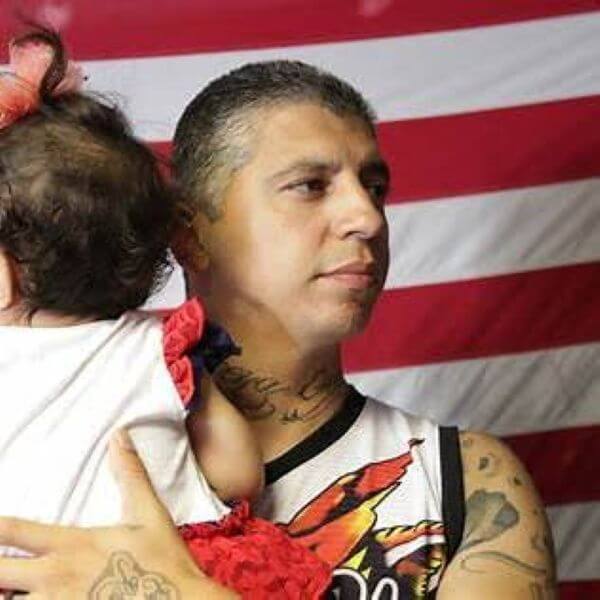
“Panchito,” a deported veteran, and portraits from a visual exhibit of U.S. veterans living in exile.
By Tori Salas, IWC Coordinating Director
U.S. Army Veteran
Not all veterans are U.S. citizens. Thousands of noncitizens have worn the uniform and defended this country with honor. In fact, the Migration Policy Institute reported that in 2022, there were about 731,000 foreign-born veterans living in the United States.
In San Antonio, the impact of immigrant service has been especially profound. Research by Dr. Longoria, former UTSA professor and author, shows that between 1969 and 1974, 144 young Latinos from the Edgewood community in the Westside of San Antonio were deployed to fight in the Vietnam War — the highest concentration from a single neighborhood in the nation. At least four were noncitizens, and many others were the children of immigrant parents. Some never came home. Others returned carrying the invisible wounds of PTSD or physical disabilities. To this day, the Edgewood District Veterans Association honors their sacrifice by mentoring young people in the community.
The challenges facing immigrant veterans didn’t stop in the past. Sae Joon Park, a U.S. Army veteran and Purple Heart recipient, was forced to self-deport to South Korea in 2025 after his deferred action was revoked and ICE threatened him with arrest. Despite living in the U.S. since he was 7-years-old, Park was stripped of protection — part of a troubling trend of veterans facing deportation after serving our country.
These deportations have occurred under multiple administrations. The issue has become so widespread that organizations have formed in Mexico to support deported veterans, including:
-
Deported Veterans Advocacy Project / Veterans For Peace
-
“The Bunker” / Deported Veteran Support House (Tijuana)
-
American Legion Post 7 (Mexico / border support)
These groups provide shelter, advocacy, and a community of support for veterans who once defended the U.S. but now live in exile.